The Cistercian phenomenon
In 1098 an obscure monk, Robert of Molesme, led a group of fellow brethren into the Burgundian forests south of Dijon and, at Cîteaux, established a small monastery in which to practise the primitive simplicity of the religious life advocated in the Rule of St Benedict. All the new orders of the 12th Century (among them the Savigniacs, Carthusians and Grandmontines) had such simple beginnings, but at Cîteaux, within just a few decades, the most spectacularly successful of them all had developed. Under the influence of Stephen Harding, the Englishman who became abbot of Cîteaux in 1109, and then of the overwhelmingly powerful St Bernard, abbot of Clairvaux, people flocked to join the Order and to some observers it even seemed possible that 'the whole world might become a Cistercian monastery'.
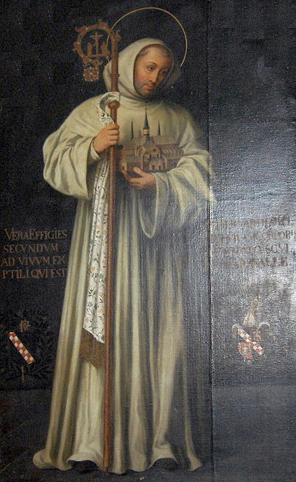
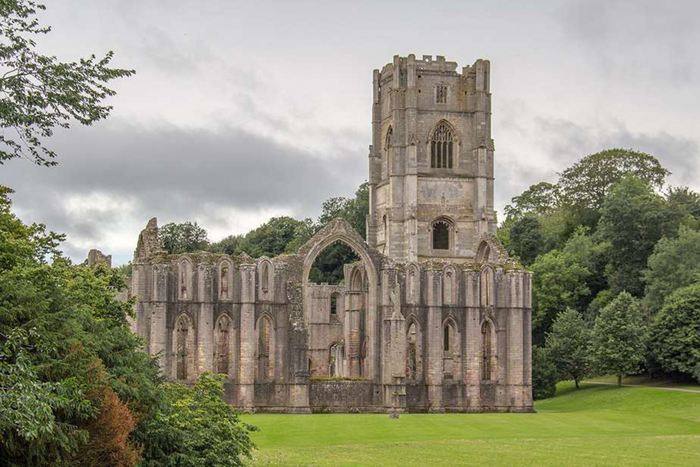
It is difficult fully to explain the astonishing success of the Cistercian Order. Much of it was undoubtedly a result of its novel and highly centralized system of government. Even more important, however, was St Bernard's personality and abilities. Not only did he fire his contemporaries with enthusiasm for the Cistercian ideals -- infinitely preferable to what he called 'the vanities and insanities' of existing Benedictine and Cluniac religious houses -- but he also became closely involved in many of the political and ecclesiastical controversies of his day. He upbraided Louis VI of France when he refused to allow French bishops to attend a church council in 1134, he comforted Queen Mélisande of Jerusalem on the death of her husband, Fulk V on Anjou, 1143, and in 1146 preached the Crusade which was to come to her aid. Under his leadership, some 530 Cistercian abbeys had appeared in western Europe by the middle of the 12th century. Even today, scattered throughout the west European landscape, from Fontenay to Fountains and from Melrose to Maulbronn, the austere ruins of the 12th-century Cistercian houses still bear eloquent witness to the visionary idealism of St Bernard and his early followers.
|
|