 |
|
Fulk Nerra, by turns brutal monster and pious pilgrim, was one of the most dramatic figures of the 11th century. The extreme product of an age when appetite and emotion controlled men's behaviour, and religion was a materialistic tit-for-tat with God, his acts of atonement succeeded by appalling acts of violence. In 992, he won a major pitched battle against the count of Brittany at Conquereuil, a victory which was achieved only when he rallied his retreating army with the 'force of a gale sweeping corn'. Slaughter, pillage and devastation followed in the wake of this and his other |
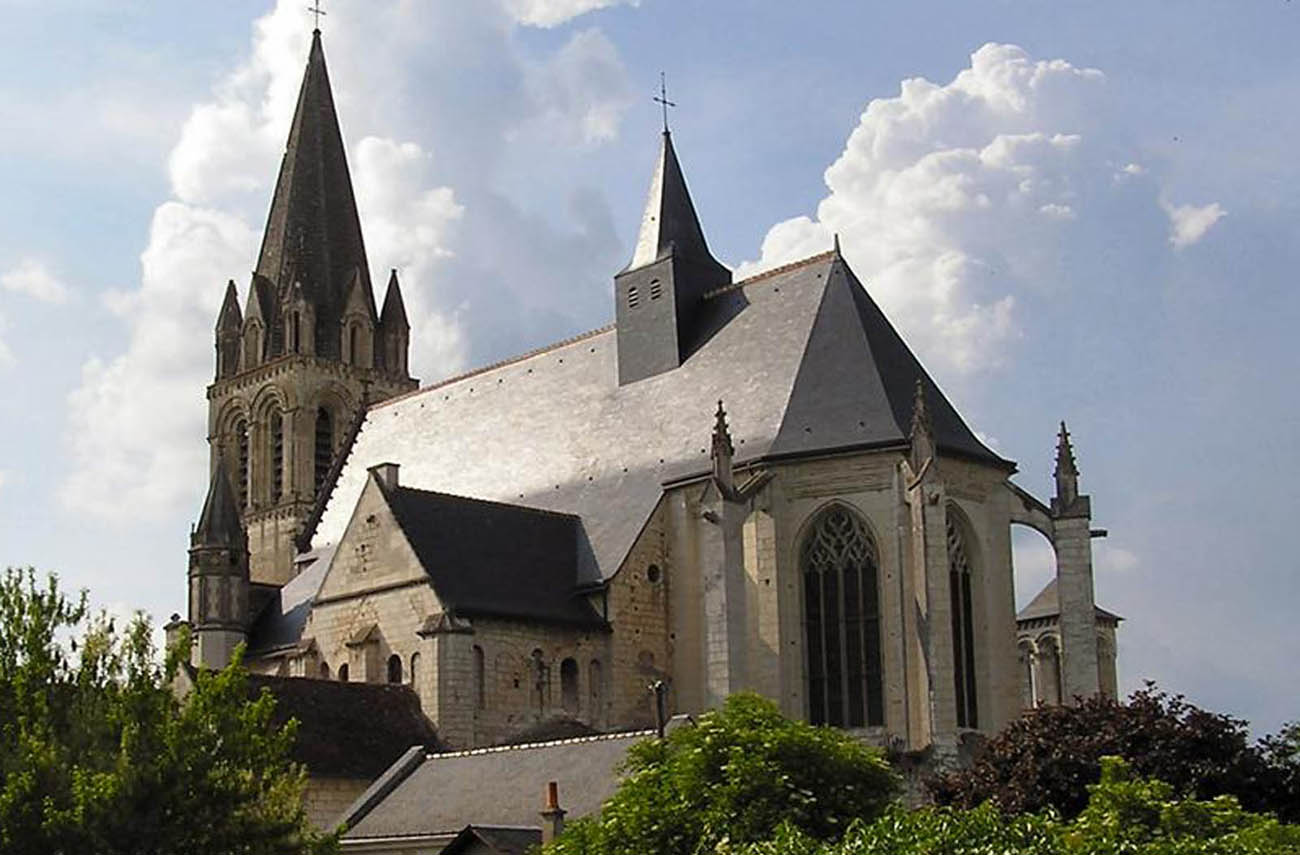
triumps and passion compounded violence: he had his first wife burnt at the stake for infidelity. Yet Fulk Nerra undertook the pilgramage to Jerusalem an astonishing three times in an age when few made this difficult journey even once. He also visited Rome, and founded two abbeys: Beaulieu-lès-Loches near Tours and St. Nicholas at Angers. Behind these extremes was a man of policy and purpose, revealed in the effectiveness of his campaigns and the strategic siting of his castles. Fascinating yet repellent, he was a leader of undoubted if crude ability. Below The abbey-church of Beaulieu-lès- |
|