|
|
The castles of Anjou
The remains of some of the castles in Anjou can still be seen: built in the early 11th century, they are amongst the earliest stone fortifications to survive from the Middle Ages, and seem powerful even today. At Montbazon, for example, a small squat keep on top of a mound looks stark, forbidding and impregnable. At Langeias, parts of a rectangular stone keep still stand within the walls of the Renaissance château. At Loches the castle dominates its surroundings to this day.
Fulk Nerra was responsible for many of thes castles, according to his grandson, Count Fulk Rechin, in his short Historyof the Counts of Anjou which names 13 and was written half a century after Fulk Nerra's death in 1040.
Some of Fulk's castles controlled lines of communication and important centres. Among them were Trèves on the River Loire, built in the 1020s to secure the Loire below Saumur, and Durtal (c.1040) on the Loire above Angers, capital of Anjou. Others were aggressive in purpose, such as the ring of castles which encircled Tours and enabled Count Geoffrey Martel, Fulk Nerra's son, to take the city of Touraine in 1044.
Certainly, Fulk Nerra was the first leader to grasp how strategically positioned castles could be the base from which to launch aggressive war. That realization has rightly earned him his reputation as an innovative strategist.
|
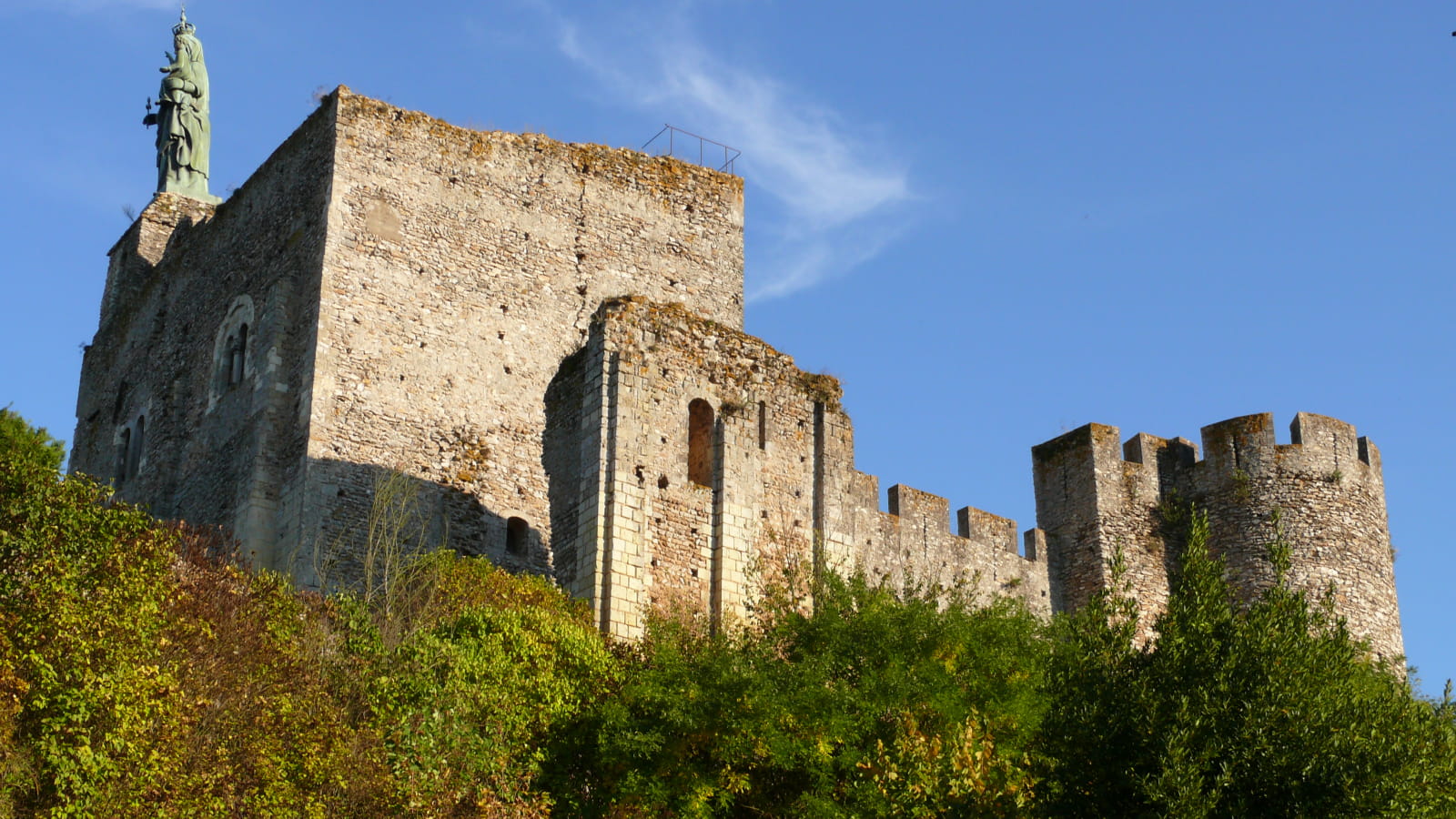 |
Montbazon Fortress
|
|
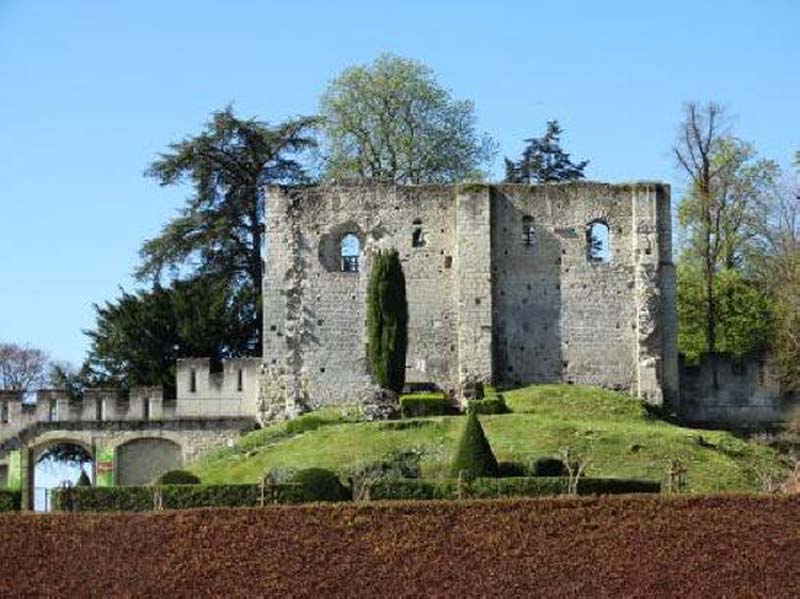 |
Langeais Keep
|
|
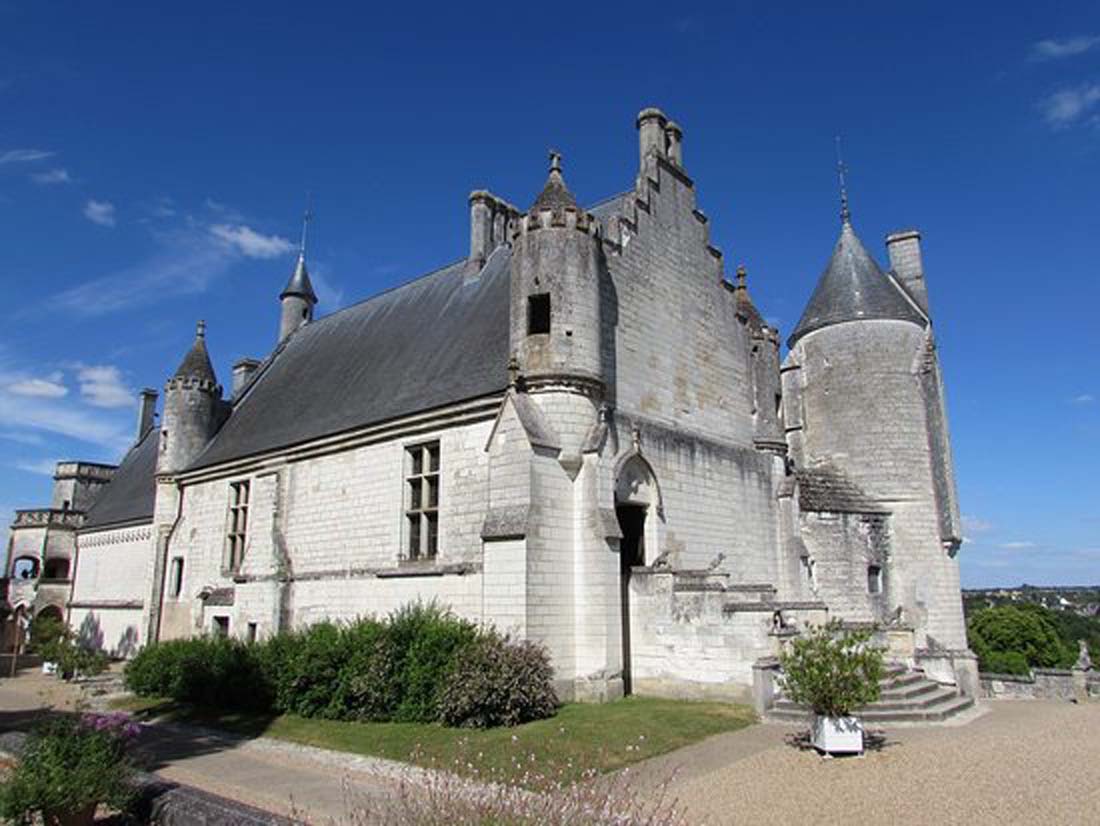 |
Loches Castle
|
|
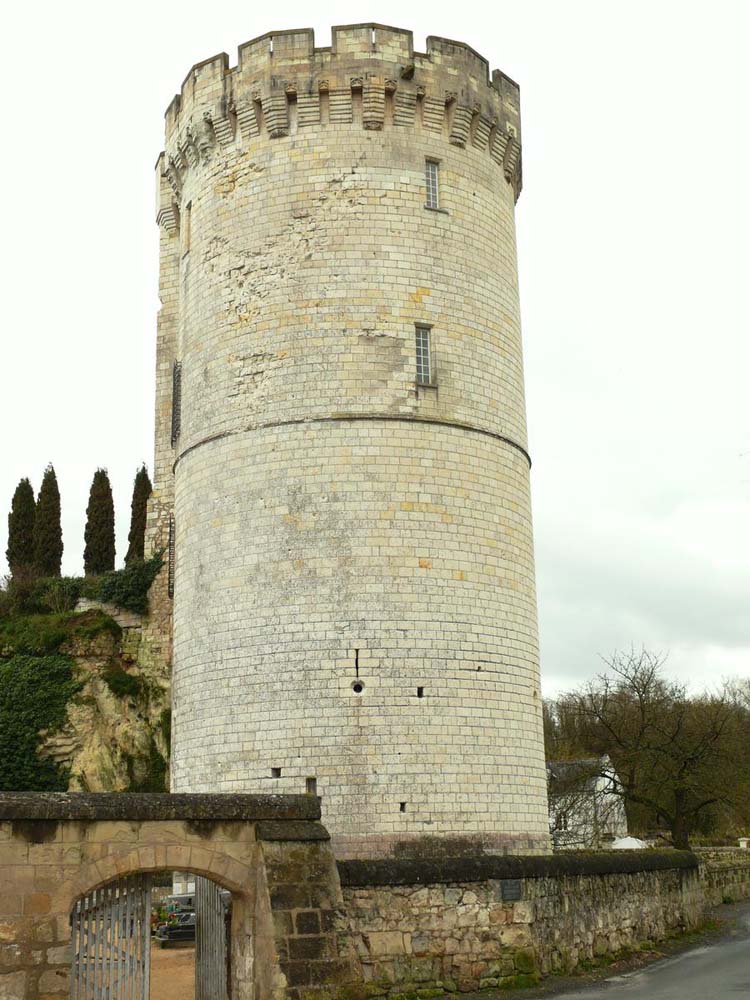 |
Trèves Castle
|
|
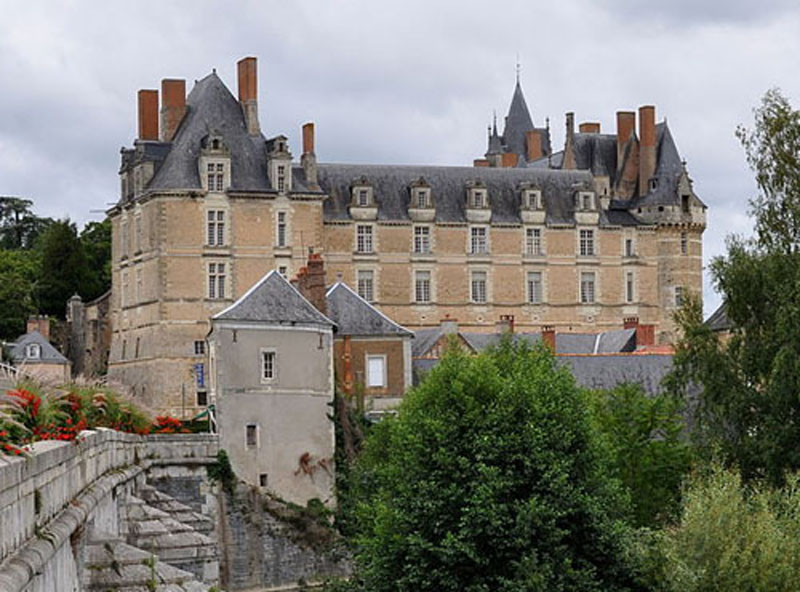 |
Durtal Castle
|
|
|
|